Day: August 26, 2026

  • Half Day vs. Full Day Fishing Charter in Cancun: How Much Time Do You Really Need?

    Half Day vs. Full Day Fishing Charter in Cancun: How Much Time Do You Really Need?

    Booking a fishing charter in Cancun is one of the most exciting additions to any vacation itinerary. But as you browse the options, you will quickly face a logistical decision: should you book a half-day (4-hour) trip, or commit to a full-day (8-hour) expedition?

    It is easy to assume that more time simply means more fish, but the reality of offshore and inshore fishing is a bit more nuanced. The right choice depends heavily on your target species, your group’s experience level, and how far offshore the fish are currently biting.

    If you are struggling to decide between a half-day vs full-day fishing charter in Cancun, this guide will break down exactly what you can expect from each timeframe.

    Quick Answer:

    A half-day charter (4-6 hours) is perfect for families, beginners, or those wanting to catch reef species and smaller pelagics close to shore. A full-day charter (8 hours) is essential for serious anglers targeting big game pelagics like Marlin, Sailfish, and large Mahi-Mahi, as it allows the captain the time needed to hunt in deep, offshore waters.
    The Half-Day Charter (4 to 6 Hours)

    A standard half-day trip usually runs for 4 hours, though many boats offer a 6-hour (3/4 day) middle ground. These trips usually depart early in the morning or early in the afternoon.

    What to Expect

    Because you have a limited window, the captain cannot spend two hours cruising to deep-water fishing grounds. On a half-day trip, you will typically fish the reefs, drop-offs, and nearshore waters that are just a short boat ride from the Cancun hotel zone or Isla Mujeres.

    Target Species on a Half-Day

    Your captain will focus on species that provide consistent action without requiring a long hunt. You will commonly target:

    • King Mackerel (Kingfish)
    • Barracuda
    • Bonito and small Blackfin Tuna
    • Bottom fishing for Snapper and Grouper

    Who is the Half-Day Best For?

    • Families with kids: Four hours is usually the perfect amount of time before children lose interest or get tired of the sun.
    • Beginners: If you aren’t sure if you enjoy ocean fishing, or if you are prone to seasickness, a shorter trip is a safer commitment.
    • Travelers with tight schedules: If you want to fish in the morning and still have time to hit a beach club or explore Mayan ruins in the afternoon.

    The Full-Day Charter (8 Hours)

    An 8-hour trip is the gold standard for sportfishing. You will depart the dock early in the morning and spend the entire day on the water, returning in the late afternoon.

    What to Expect

    Time is your greatest asset on a full-day trip. If the fish aren’t biting in one area, the captain has the time to pull up the lines and run 10 or 15 miles to a new location. It allows the crew to actively hunt for temperature breaks, weed lines, and bird activity in the deep blue water of the Gulf Stream.

    Target Species on a Full-Day

    A full day gives you a legitimate shot at the bucket-list fish. Your captain will target:

    • Billfish (Sailfish, Blue and White Marlin)
    • Large Mahi-Mahi (Dorado)
    • Wahoo
    • Trophy-sized Amberjack

    Who is the Full-Day Best For?

    • Dedicated Anglers: If the primary purpose of your trip is to catch a trophy fish, an 8-hour trip is mandatory.
    • Billfish Hunters: You rarely target sailfish or marlin on a 4-hour trip. You need time to find them.
    • Groups who love the boat life: If your crew enjoys having a few beers, eating lunch on the water, and spending a full day at sea, this is for you.

    Pro Tip: If you want to target big game fish but 8 hours feels too long, a 6-hour (3/4 day) charter is an excellent compromise. It gives the captain enough time to reach deeper water, but gets you back to the dock before exhaustion sets in.

    Key Factors to Consider When Choosing

    1. Travel Time to the Fishing Grounds

    Inshore fishing (like flats fishing for Tarpon or Bonefish) often starts the minute you leave the dock, making half-day inshore trips very productive. However, deep-sea trolling requires running time. On a 4-hour offshore trip, you might spend 1.5 hours just cruising to and from the fishing spots.

    2. The Bite Window

    Fish feed on their own schedules, dictated by tides, moon phases, and water temperatures. On an 8-hour trip, you are on the water through multiple tide changes, practically guaranteeing you will be lines-in during an active feeding window.

    3. Physical Stamina

    Battling fish, balancing on a rocking boat, and dealing with the Caribbean sun takes a physical toll. If you are not accustomed to being on a boat, 8 hours can feel like a marathon.

    Frequently Asked Questions

    Is lunch provided on the charter? Generally, full-day (8-hour) charters include lunch (like sandwiches or ceviche) along with snacks and drinks. Half-day charters usually provide water, beer, and sodas, but you may want to bring your own snacks. Always verify what is included when booking.

    Can we do both trolling and bottom fishing? On a full-day trip, absolutely. You can spend the morning trolling for pelagics and the afternoon dropping lines for grouper. On a half-day trip, it is usually best to stick to one technique to maximize your fishing time.

    Which trip has a higher catch rate? In terms of sheer numbers, a half-day trip targeting reef fish often yields more bites. However, a full-day trip yields higher quality (larger) fish, even if the total number of bites is lower.

    Do we need to depart at 7:00 AM? For full-day trips, early departures are strongly recommended to reach the grounds for the morning bite. For half-day trips, most boats offer both a morning departure (usually 7 AM) and an afternoon departure (usually 1 PM).

    What if the weather turns bad on a full-day trip? Captains monitor the weather closely. If conditions become unsafe or incredibly uncomfortable, the captain may offer to shorten the trip to a half-day, reschedule, or adjust the route to fish in more protected waters.

    Ready to secure your boat? Whether you want a quick 4-hour family excursion or an 8-hour hunt for a trophy Marlin, we have the perfect boat for you. Browse our Cancun fishing charters and reserve your date on the calendar today!
  • The Ultimate Guide to Cancun Sailfish Season (When & How to Catch Them)

    The Ultimate Guide to Cancun Sailfish Season (When & How to Catch Them)

    If there is one species that puts the Mexican Caribbean on the global sportfishing map, it is the Atlantic Sailfish. Known for their incredible speed, acrobatic leaps, and vibrant dorsal sails, these pelagic predators draw anglers from around the world to the waters off the Yucatan Peninsula.

    But catching a sailfish is not just about showing up; it is about timing and technique. The waters around Cancun and Isla Mujeres are part of a massive migratory route, meaning these fish are not here year-round in large numbers.

    If your goal is to battle one of the ocean’s fastest fish, you need to understand the Cancun sailfish season, how captains target them, and what to expect when you hear the reel scream.

    Quick Answer: The peak sailfish season in Cancun generally runs from late December through July, with the highest concentration of fish typically found between March and May. Captains primarily target them offshore using trolling techniques with ballyhoo or artificial teasers.

    When is the Best Time to Catch Sailfish in Cancun?

    While it is possible to encounter a resident sailfish outside of the main migratory window, you want to stack the odds in your favor.

    The Peak Season (March – May)

    Spring is the undisputed golden window for billfish in the Mexican Caribbean. During these months, massive schools of sardines and flying fish congregate in the warm Gulf Stream currents just offshore from Cancun and Isla Mujeres. The sailfish follow the bait. During a good day in peak season, it is not uncommon for a boat to raise multiple sailfish.

    The Shoulder Seasons (Winter and Summer)

    • December – February: The early arrivals begin showing up as the water temperatures shift. Winter cold fronts (locally known as “Nortes”) can push baitfish closer to the surface, sparking excellent feeding frenzies, though the weather can sometimes be choppy.
    • June – July: The tail end of the season still offers solid action, often overlapping with the arrival of other big game species like Blue Marlin and large Mahi-Mahi.

    Pro Tip: If your main goal is sailfish, choose your travel dates around the peak seasonal window (April is often exceptional) rather than simply booking the cheapest available day of your vacation.

    How We Fish for Sailfish in Cancun

    Catching a sailfish requires teamwork between the captain, the mates, and the angler. Here is how it typically goes down on a deep sea charter.

    1. Finding the Fish

    Captains do not just drive blindly; they look for specific indicators. They hunt for temperature breaks, floating debris, sargassum weed lines, and most importantly, diving birds. Frigate birds circling and diving are a dead giveaway that sailfish are pushing bait to the surface.

    2. The Trolling Spread

    Once in a promising area, the crew will deploy a spread of baits. The standard technique in Cancun is trolling rigged ballyhoo (a type of baitfish) often paired with brightly colored skirts. The crew will also run “teasers”—hookless lures that splash and create a commotion to draw the sailfish up from the depths.

    3. The Hookup and the Fight

    When a sailfish strikes, it is pure chaos. The fish will often smack the bait with its bill before eating it. Once hooked, they are famous for their explosive, tail-walking jumps.

    As the angler, you will need to keep constant tension on the line. Sailfish have hard, bony mouths, and giving them any slack usually results in a thrown hook. Listen to your mate, keep your rod tip up, and reel down smoothly.

    Catch and Release: Protecting the Species

    The Atlantic Sailfish is a prized game fish, and local captains are deeply committed to its conservation.

    All sailfish caught on reputable Cancun fishing charters are strictly catch-and-release.

    The crew is highly trained in handling these fish safely. When you bring the fish to the boat, the mate will carefully leader the fish and control the bill. You will have a brief window to snap a quick, unforgettable photo before the mate revives the fish in the water and ensures it swims away strong to fight another day.

    What to Bring on a Billfish Charter

    Offshore fishing means you will be exposed to the elements for several hours. Come prepared:

    • Polarized sunglasses (Absolutely essential—they cut the glare so you can actually see the neon-blue fins of the sailfish lighting up behind the bait).
    • Long-sleeved UV fishing shirt.
    • Non-slip boat shoes.
    • A camera or GoPro with a secure strap.
    • Motion sickness medication, taken before you board, as the Gulf Stream swells can be rolling.

    Frequently Asked Questions

    Are we guaranteed to catch a sailfish? No captain in the world can guarantee a wild, migratory fish. However, booking during the peak season (March-May) with an experienced crew dramatically increases your chances of a successful hookup.

    Do I need heavy tackle to catch a sailfish? No. While they are big fish (typically ranging from 40 to 80 pounds in this region), they are fought on relatively light 20 to 30-pound class trolling gear. This makes the fight incredibly sporty and allows you to feel the true power of the fish.

    How far offshore do we need to go? Unlike some destinations where you have to run for hours, the drop-off in Cancun is relatively close. Depending on where the bait is holding, you might find sailfish anywhere from 5 to 15 miles offshore.

    Can a beginner catch a sailfish? Absolutely. The crew handles all the complex rigging, baiting, and boat maneuvering. When the fish hits, they will hand you the rod and coach you through the entire fight.

    How long of a charter do I need? To properly target sailfish, a minimum of a 6-hour or 8-hour (full day) charter is highly recommended. It takes time to locate the fish and work the bait schools.

    Ready to battle the fastest fish in the ocean? If you are traveling to the Mexican Caribbean during peak season, don’t miss your shot at a trophy billfish. Explore our Cancun deep sea fishing charters and book your offshore adventure today!

  • Deep Sea vs. Inshore Fishing in Cancun: Which Charter is Right for You?

    Deep Sea vs. Inshore Fishing in Cancun: Which Charter is Right for You?

    If you are planning to fish the waters of the Mexican Caribbean, you are looking at one of the most productive sportfishing destinations in the world. However, before you book a boat, you need to answer one critical question: should you go deep sea fishing or inshore fishing?

    Cancun’s unique geography offers access to entirely different marine environments. Just a few miles offshore, the ocean floor drops drastically, creating an underwater highway for massive pelagic species. Meanwhile, the protected lagoons, mangroves, and flats around Cancun and Isla Blanca provide a sheltered haven for aggressive, shallow-water fighters.

    Choosing between deep sea vs inshore fishing in Cancun comes down to your experience level, who you are fishing with, and what kind of action you are looking for. In this guide, we will break down the techniques, target species, and overall experience of each so you can book the right charter for your crew.

    Quick Answer: Deep sea (offshore) fishing in Cancun takes place in open, deep waters targeting large pelagic species like sailfish, mahi-mahi, and marlin, mostly utilizing trolling techniques. Inshore fishing stays in shallow, protected waters like flats and mangroves, using light tackle to actively cast for species like tarpon, snook, and bonefish.

    [Insert Image 1: Split screen or side-by-side comparison of a large sportfishing yacht in blue water vs. a small flats skiff in clear shallow water. ALT: Comparison of a deep sea fishing yacht and an inshore flats skiff in Cancun.]

    What is Deep Sea (Offshore) Fishing in Cancun?

    Deep sea fishing—often referred to as offshore fishing or big game fishing—involves taking a sportfishing yacht out into the open ocean. In Cancun, you don’t have to travel far to reach deep water; the drop-off is relatively close to the shore, meaning less time cruising and more time with lines in the water.

    The Offshore Experience

    When you book a deep sea charter, the primary technique utilized is trolling. The captain and crew will set up a spread of baits or artificial lures behind the boat, dragging them at varying speeds to mimic fleeing baitfish. As an angler, your job is to wait for the strike. When a large fish hits, the reel screams, and you jump into the fighting chair or use a stand-up harness to battle the fish.

    [Insert Image 2: An angler battling a large pelagic fish from a fighting chair on a large boat. ALT: Angler battling a large pelagic fish on a Cancun deep sea charter.]

    Commonly Targeted Offshore Species

    Depending on the season and water conditions, offshore waters around Cancun and Isla Mujeres are known for:

    • Billfish: Sailfish, Blue Marlin, and White Marlin (typically peak in spring and summer).
    • Pelagics: Mahi-Mahi (Dorado), Wahoo, and Blackfin Tuna.
    • Bottom Dwellers: If the captain decides to stop and drop lines over the reefs, you might target Grouper, Amberjack, or Snapper.

    Pro Tip: Deep sea fishing involves navigating open ocean swells. If you or your group are prone to motion sickness, taking preventative medication the night before and the morning of your trip is highly recommended.

    What is Inshore (Light Tackle) Fishing in Cancun?

    Inshore fishing keeps you in the calm, protected waters of the Nichupte Lagoon, the flats around Isla Mujeres, or the expansive backcountry of Isla Blanca. You will typically be fishing on a panga or a specialized flats skiff.

    The Inshore Experience

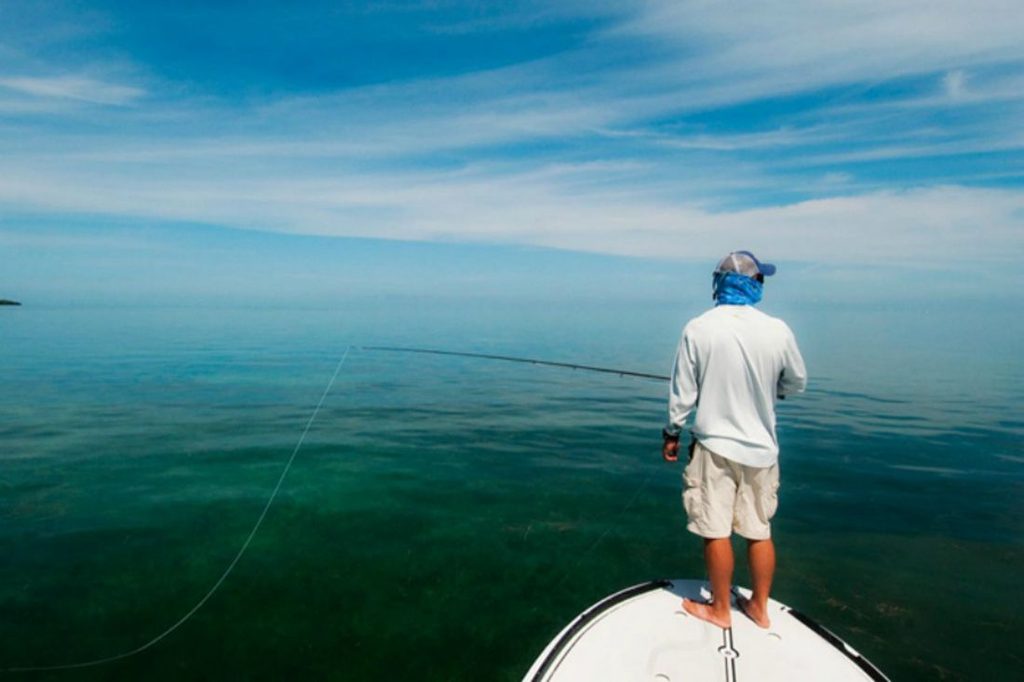
    Inshore fishing is highly interactive. Instead of trolling and waiting for a bite, you are actively participating in the hunt. Using light tackle (spinning gear) or fly fishing equipment, you will cast artificial lures, jigs, or live bait toward mangroves, channels, or directly at fish you spot in the clear, shallow water (sight fishing).

    Because the gear is lighter, even a five-pound fish will put up an incredible, drag-pulling fight. The waters are also generally very calm, making seasickness virtually a non-issue.

    [Insert Image 3: An angler standing on the bow of a skiff, casting a spinning rod toward mangroves. ALT: Angler casting light tackle gear in the Cancun mangroves.]

    Commonly Targeted Inshore Species

    The shallow waters are a nursery and hunting ground for aggressive predators. Your captain will generally target:

    • The Inshore Grand Slam: Tarpon, Snook, Bonefish, and Permit.
    • Other Fighters: Jack Crevalle, Barracuda, and Mangrove Snapper.

    Key Differences to Consider

    When deciding between a deep sea vs inshore fishing Cancun charter, keep these three factors in mind:

    1. Water Conditions

    Offshore waters can be choppy and unpredictable, depending on the wind and currents. Inshore waters are protected, flat, and calm. If you have young children or someone who suffers from severe seasickness, inshore is usually the safer bet.

    2. Action vs. Trophy

    Deep sea fishing is often described as hours of waiting interrupted by moments of sheer chaos. You might only get a few bites all day, but they could be 100-pound monsters. Inshore fishing generally offers more consistent action with smaller, but incredibly strong, fish.

    3. Angler Involvement

    If you prefer to relax with a cold drink while the crew handles the rigging and finding the fish, deep sea fishing is ideal. If you want to hold the rod the entire time, practice your casting, and actively work the bait, light tackle inshore fishing is the way to go.

    Still not sure which option fits your group best? Contact our captains today, and we will help you build the perfect custom itinerary based on the current season.

    Who is Each Trip For?

    • Deep Sea Fishing is best for: Groups looking for the classic sportfishing experience, anglers chasing bucket-list big game fish, and those who enjoy the teamwork of trolling offshore.
    • Inshore Fishing is best for: Fly fishermen, light tackle enthusiasts, families with young children, and anyone looking for a highly active, hands-on casting experience in calm waters.

    [Insert Image 4: A happy family holding a moderate-sized snapper or jack on a calm water boat. ALT: Family enjoying a calm inshore fishing trip in Cancun.]

    What to Bring

    Regardless of which trip you choose, the tropical sun demands respect. You should generally bring:

    • A wide-brimmed hat or standard cap.
    • Polarized sunglasses (crucial for spotting fish inshore and reducing glare offshore).
    • Lightweight, long-sleeved UV-protective clothing.
    • Non-slip, non-marking footwear.
    • Reef-safe sunscreen (apply before you board to keep your hands clean of chemicals that might transfer to the bait).
    • Motion sickness medication if appropriate (especially for offshore trips).

    Frequently Asked Questions

    Which is better for families: inshore or deep sea fishing? Inshore fishing is typically better for families with young children or those prone to seasickness because the water is calm and there is generally more consistent, hands-on action with smaller fish. Deep sea fishing is great for older families looking for the thrill of a big catch.

    Do I need a fishing license for Cancun charters? In Mexico, a fishing license is required for anyone on a boat that has fishing gear aboard. Most reputable Cancun fishing charters include the cost of the daily fishing license in their trip price, but you should always verify this when booking.

    Can we keep the fish we catch? It depends on the species and local regulations. Billfish (like sailfish and marlin), tarpon, bonefish, and permit are strictly catch-and-release. Edible species like mahi-mahi, snapper, and grouper can often be kept, and many crews will clean and fillet your catch for you.

    How far out do you go for deep sea fishing in Cancun? Because the continental shelf drops off close to shore, you often only need to travel 3 to 10 miles offshore to reach deep water and start fishing. This allows for more actual fishing time compared to other global destinations.

    Is fly fishing considered inshore or offshore? In Cancun, fly fishing is predominantly an inshore activity, targeting species like tarpon, bonefish, and permit in the shallow flats and mangrove systems of Isla Blanca and the surrounding lagoons.

    Ready to put your fishing plans into action? Explore our Cancun fishing charters to find the perfect deep sea yacht or inshore skiff that matches your target species and experience level. Book your trip today and secure your date on the water!